
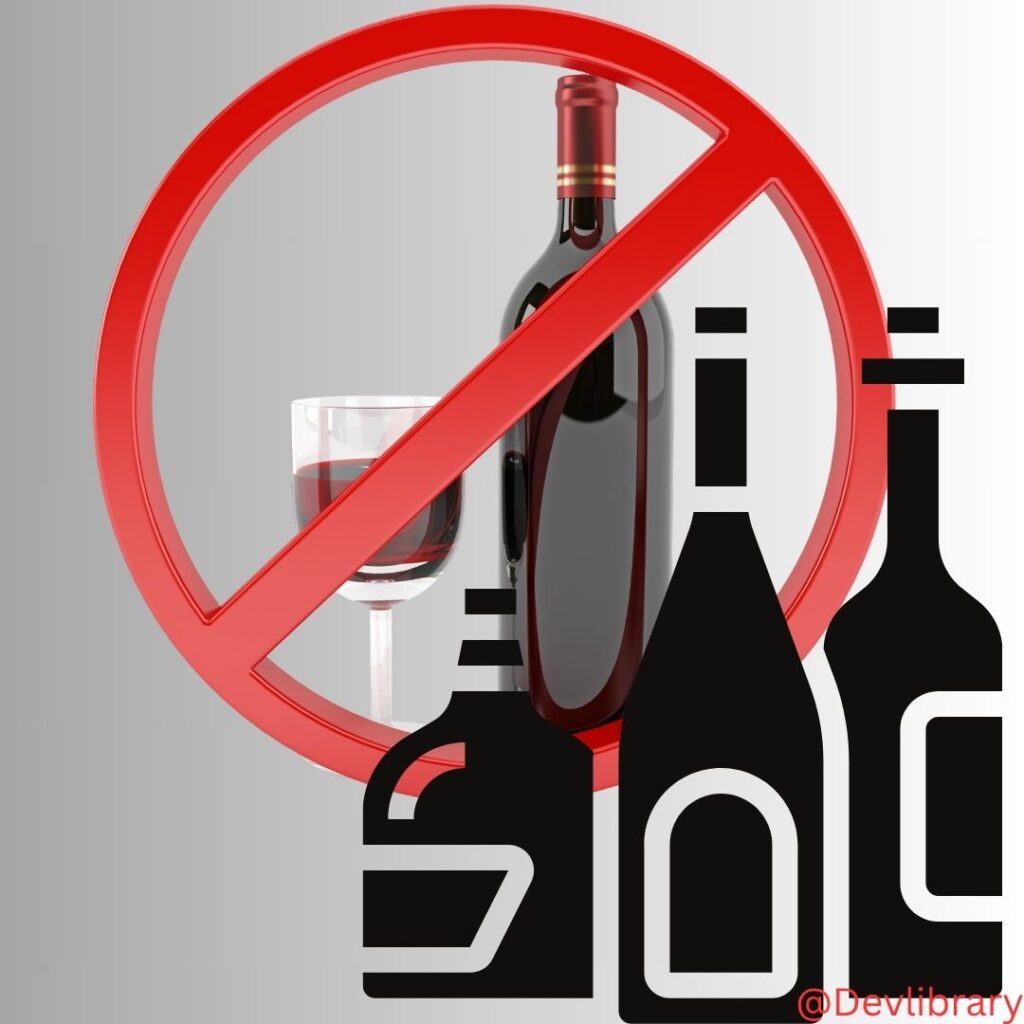
Alcohol (Ethanol) is a type of drug that is absorbed quickly from the small intestine and distributed throughout the body. Alcoholic beverages like beer and whisky provide high amounts of energy. For instance, six pints of beer provide around 500 kilocalories, while half a liter of whisky provides 1650 kilocalories. The average daily energy need is 3000 kcal for men and 2200 kcal for women.
How Does Alcohol Absorb in the Body?
Alcohol absorbs faster when consumed on an empty stomach, especially at 20–30% concentration.
Drinks like sherry (20% alcohol) increase blood alcohol levels more rapidly than beer, while spirits (40% alcohol) slow absorption due to delayed gastric emptying.
Drinks mixed with carbon dioxide (like champagne or whisky with soda) are absorbed more quickly.
Food, especially carbohydrates, slows alcohol absorption.
Alcohol and Its Abuse is a serious concern, as alcohol spreads evenly through organs like the brain, heart, and muscles, except for the liver, which gets exposed first due to blood flow from the digestive tract. While moderate consumption might offer minor benefits, excessive or habitual drinking can seriously harm physical and mental health. Always seek professional advice if you struggle with alcohol dependency.
Other Factors Influencing Alcohol Absorption
Women absorb alcohol more rapidly than men due to higher body fat and lower stomach enzymes.
Alcohol crosses the placenta and affects the fetus.
Blood alcohol concentration (BAC) varies by sex, body type, hormonal cycle, food intake, and medications.
Alcohol Metabolism
90% of alcohol is metabolized by the liver.
2–5% is excreted via urine, sweat, or breath.
Alcohol dehydrogenase converts alcohol to acetaldehyde (toxic), which is then broken down into acetate.
People of Asian descent may lack certain enzymes, leading to acetaldehyde buildup, causing nausea, headaches, and flushing.
Symptoms of Alcohol Dependency
Strong cravings for alcohol.
Withdrawal symptoms.
Increased consumption over time.
Difficulty stopping after one drink.
Failure to quit despite wanting to.
Continued drinking despite health and social problems.
Spending excessive time in alcohol-related activities.
Health Effects of Alcohol
1. On the Brain: Alcohol disrupts brain communication, affecting mood, behavior, coordination, and decision-making.
2. On the Heart:
Cardiomyopathy (weakened heart muscles).
Irregular heartbeat (Arrhythmia).
Stroke.
High or low blood pressure.
3. On the Liver:
Fatty liver.
Alcoholic hepatitis.
Fibrosis.
Cirrhosis.
4. On the Pancreas:
Causes pancreatitis, affecting digestion.
5. Cancer Risk:
Linked to:
Mouth, throat, and vocal cord cancers.
Esophageal cancer.
Liver cancer.
Breast cancer (especially in women consuming one or more drinks daily).
Colorectal cancer.
6. On the Immune System:
Weakens immunity, increasing the risk of infections like pneumonia and tuberculosis.
Long-Term Effects of Alcohol Abuse
Mood swings, anxiety, and restlessness.
Insomnia and sleep disorders.
Weakened immune system.
Sexual dysfunction.
Weight fluctuations.
Memory and focus problems.
Work difficulties.
Relationship and family conflicts.
Is There Any Benefit to Drinking?
Mild or moderate alcohol consumption may:
Lower the risk of heart disease
Reduce the risk of ischemic stroke
Possibly lower the risk of diabetes
However, even moderate drinking carries cancer risks. A healthy diet and exercise are safer methods for promoting health.
Conclusion
Alcohol and Its Abuse is a serious concern, as while moderate consumption might offer minor benefits, excessive or habitual drinking can seriously harm physical and mental health. Always seek professional advice if you struggle with alcohol dependency.
FAQs
1. Why do some people react differently to alcohol than others?
Ans: Alcohol affects everyone differently based on body type, enzyme levels, metabolism, and overall health. Women generally absorb more alcohol than men due to higher body fat and lower levels of stomach enzymes.
2. What is binge drinking?
Ans: Binge drinking means drinking large amounts of alcohol in a short time. For men, it’s 5 or more drinks at once; for women, it’s 4 or more drinks, usually within 2 hours.
3. Is beer or wine safer than spirits?
Ans: No. A 12-ounce beer, a 5-ounce glass of wine, and a 1.5-ounce shot of spirits all contain roughly the same amount of alcohol. It’s the amount consumed that matters, not the type.
4. What does moderate drinking mean?
Ans: Moderate drinking refers to limited alcohol consumption. For example, up to one drink per day for women and up to two drinks per day for men. Drinking less is always healthier.
5. Is it safe to drink alcohol during pregnancy?
Ans: No. There is no safe amount of alcohol during pregnancy. Alcohol can harm the baby and lead to conditions like fetal alcohol syndrome. Women trying to conceive should also avoid alcohol.

Hi, I’m Dev Kirtonia, Founder & CEO of Dev Library. A website that provides all SCERT, NCERT 3 to 12, and BA, B.com, B.Sc, and Computer Science with Post Graduate Notes & Suggestions, Novel, eBooks, Biography, Quotes, Study Materials, and more.
Subject Ka Complete Video Solution Dekhein
Step-by-step easy concept explanation aur full questions Answer ke liye watch karein ya app download karein:





 Buy Now