
How to Finance New Machinery: Smart Ways to Fund Your Business Equipment
Buying new machinery can help a business increase production, improve efficiency, and reduce operating costs. However, machinery often requires a large investment, and paying the full amount upfront can put pressure on business cash flow. This is where machinery financing can help. How to Finance New Machinery is an important consideration for businesses planning a major equipment purchase.
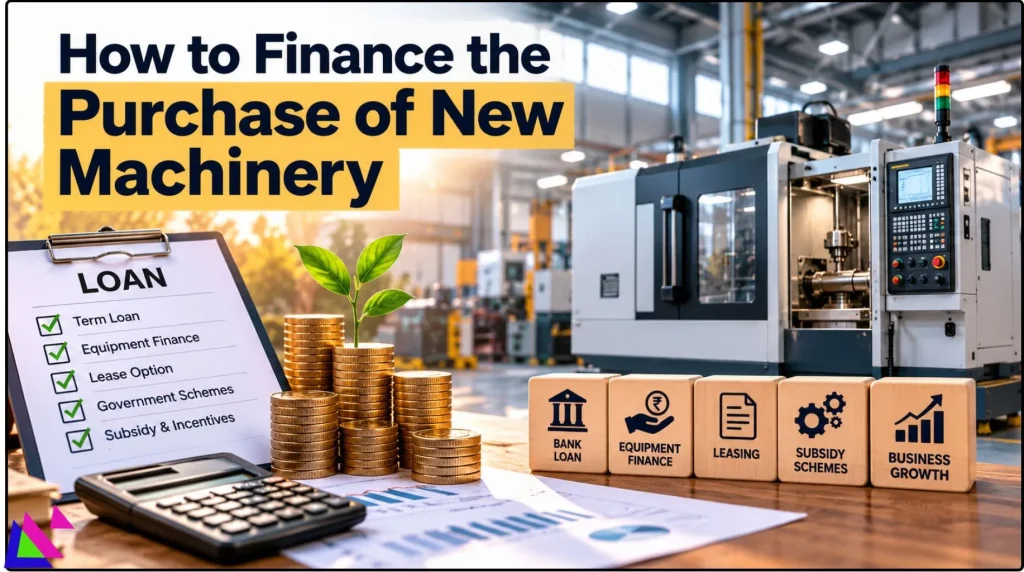
With the right financing option, a business can purchase the equipment it needs while keeping enough cash available for everyday expenses. Understanding How to Finance New Machinery can help business owners manage their investment without putting unnecessary pressure on working capital.
What Is Machinery Financing?
Machinery financing helps businesses pay for new equipment through a loan or other financing arrangement. Instead of paying the entire cost at once, the business makes regular payments over an agreed period.
Banks, financial institutions, and equipment finance companies may offer different financing options depending on the business and the type of machinery it wants to purchase. Knowing How to Finance New Machinery can help businesses compare these options and select a suitable financing arrangement.
Also Read: Veegaland Developers IPO: Check GMP, 3-Year Profit, Debt & Key Risks Before Applying
Ways to Finance New Machinery
Businesses can choose from several financing options.
1. Machinery Loan
A machinery loan allows a business to borrow money specifically to purchase equipment. The business then repays the loan through monthly instalments.
This option works well for manufacturing units, workshops, construction companies, and other businesses that need expensive equipment.
2. Business Term Loan
A business term loan can also help finance machinery. Businesses can use the funds for equipment purchases as well as related expenses such as installation, transportation, or business expansion.
3. Equipment Leasing
With equipment leasing, a business uses machinery without purchasing it outright. The business pays the leasing company regularly for using the equipment.
Leasing can work well for businesses that want to preserve cash or regularly upgrade their machinery.
4. Hire Purchase
A hire-purchase arrangement allows a business to use machinery while making regular payments. Depending on the agreement, the business may become the owner after completing all the required payments.
5. Dealer or Manufacturer Financing
Some machinery manufacturers and dealers offer financing through their banking or financial partners. This option can make the purchase process easier, but businesses should compare the interest rate and other charges before choosing it.
What Should You Check Before Taking a Machinery Loan?
Don’t choose a loan just because it offers a low monthly EMI. Look at the complete cost of the financing.
Compare the:
Interest rate
Loan tenure
Down payment
Processing fees
Prepayment charges
Collateral requirements
Total repayment amount
A longer loan tenure can reduce your monthly EMI, but you may pay more interest over the entire loan period.
Check Your Business Cash Flow
Before taking machinery finance, check whether your business can comfortably handle the monthly payments.
Estimate how much additional income the new machinery could generate. Also consider any savings from faster production, lower labour costs, or reduced maintenance.
For example, if a new machine helps you increase production and generate additional monthly income, that extra cash can help you manage the loan repayment.
Documents You May Need
Lenders may ask for documents such as business registration proof, PAN, bank statements, income tax returns, GST returns, financial statements, existing loan details, and the machinery quotation.
The exact requirements depend on the lender and the type of business.
Conclusion
Financing can make it easier for businesses to purchase new machinery without using all their cash at once. Machinery loans, business term loans, leasing, hire purchase, and dealer financing offer different ways to fund an equipment purchase.
Before choosing an option, compare the interest rate, fees, tenure, down payment, and total repayment cost. Most importantly, understand **How to Finance New Machinery** and choose a repayment plan that your business can comfortably manage.
With proper planning, machinery financing can help a business upgrade its operations while maintaining healthy cash flow.
FAQs
1. What is machinery financing?
Ans: Machinery financing helps businesses purchase new equipment without paying the entire cost upfront. The business repays the financed amount through regular instalments. Understanding How to Finance New Machinery can help business owners choose a suitable financing option.
2. Can I get a loan to purchase new machinery?
Ans: Yes. Businesses can use machinery loans, business term loans, equipment financing, or other suitable financing options, subject to the lender’s eligibility criteria.
3. How much machinery finance can I get?
Ans: The loan amount depends on factors such as machinery cost, business turnover, financial position, credit history, repayment capacity, and the lender’s terms. These factors also affect How to Finance New Machinery for your business.
4. What documents do I need for a machinery loan?
Ans: Lenders may ask for business registration documents, PAN, bank statements, income tax returns, GST returns, financial statements, existing loan details, and the machinery quotation.
5. Is it better to buy machinery with cash or take a loan?
Ans: It depends on the business’s cash flow and financial situation. Paying cash avoids loan interest, while financing allows the business to keep more working capital available for daily operations. Knowing How to Finance New Machinery can help you compare these options.
Disclaimer: This article is for information only. Loan rates, fees, terms, and eligibility vary by lender. Verify details before making financial decisions.



 Buy Now