
Generative AI in Education: Balancing AI with Foundational Skills
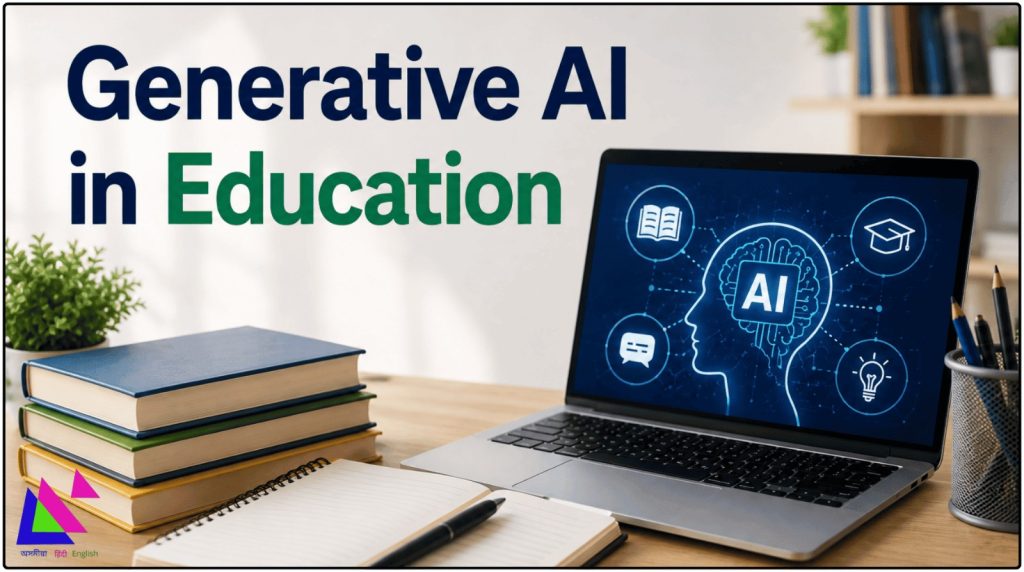
Generative AI in Education is becoming an important topic in international education discussions as schools, teachers and students explore the growing role of AI in learning. AI tools can now help students understand difficult topics, generate ideas, practise questions and improve their writing. However, education is not only about getting quick answers. Skills such as writing, reasoning, problem-solving and independent learning are equally important for a student’s long-term development. This is why educators are focusing on finding a practical balance where technology supports learning without taking away the value of students thinking and working on their own.
Why Foundational Skills Still Matter
Technology can make learning easier, but some basic skills remain essential for every student. Writing, reasoning and independent learning help students understand ideas and express themselves confidently.
- Writing: Helps students communicate their thoughts clearly.
- Reasoning: Helps them understand information and reach logical conclusions.
- Independent learning: Encourages students to explore, question and find solutions on their own.
These skills improve through regular practice and active participation.
How Generative AI Can Support Learning
Generative AI in Education can work as a learning support tool when students use it thoughtfully. It can help explain difficult topics, provide examples and offer different ways to understand a lesson.
Students can use AI to:
- Understand difficult concepts in simpler language.
- Generate ideas for projects.
- Practise questions and answers.
- Improve the structure of their writing.
- Explore different explanations of a topic.
- Get quick feedback while practising.
However, students should remain involved in the learning process instead of simply accepting every response they receive.
Finding the Right Balance
The growing use of Generative AI in Education makes it important to create a balanced learning environment. Students should first try to understand a question and develop their own ideas before turning to an AI tool.
Teachers can encourage students to explain how they reached an answer. Writing activities, classroom discussions, projects and problem-solving exercises can help students continue developing their own thinking.
The Role of Teachers
AI may change some classroom practices, but teachers continue to have an important role. They can guide students, encourage questions and help them understand information properly.
Teachers can focus on:
- Encouraging classroom discussions.
- Giving individual feedback.
- Supporting creative thinking.
- Helping students evaluate information.
- Teaching thoughtful use of digital tools.
Building Independent Learners
Generative AI in Education should not mean that students stop learning independently. Instead, students can learn when technology is useful and when they should work through a problem themselves.
A student who can think independently, write clearly and use AI appropriately can benefit more from modern technology.
Conclusion
Generative AI in Education is creating new opportunities for students and teachers, but foundational skills should continue to remain at the centre of learning. Writing, reasoning, problem-solving and independent learning help students build confidence, express their ideas clearly and understand subjects more deeply. AI can make learning more convenient by providing explanations, examples and practice support, but it works best when students continue to think and participate actively. A balanced approach can help schools use technology effectively while ensuring that students develop the skills they need for their future learning and everyday life.
FAQs
1. What is Generative AI in Education?
Ans: It refers to using AI tools to support teaching, learning, practice and idea development.
2. Can AI improve student learning?
Ans: Yes, when used properly, AI can provide explanations, examples, practice and feedback.
3. Should students depend completely on AI?
Ans: No. Students should continue practising writing, reasoning and independent learning.
4. What is the role of teachers with AI?
Ans: Teachers can guide students, provide feedback and encourage them to think and learn independently.
5. What is the best way to use AI in education?
Ans: AI should be used as a support tool while students continue developing their own knowledge and skills.





 Buy Now