
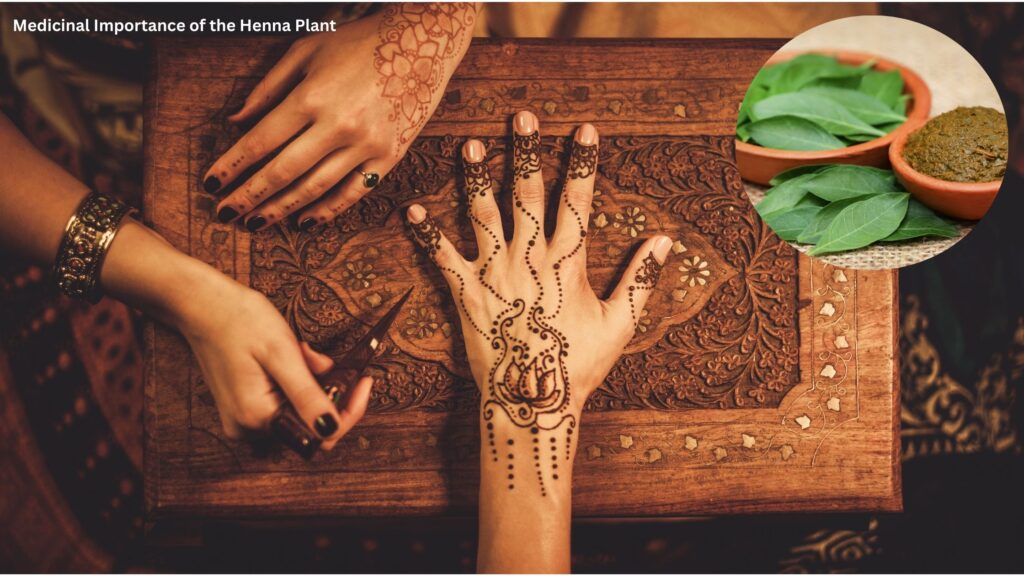
Henna—known in Assamese as Jetuka and scientifically as Lawsonia inermis—is deeply woven into Assamese culture. Especially during Bohag Bihu, applying henna on palms is a cherished tradition for performers and families alike. In fact, the medium-sized, bushy henna shrubs bear many small leaves, and among all plant parts, the leaves are used the most for cosmetic and traditional medicinal purposes. Moreover, these vibrant green leaves are valued not only for their natural dye but also for their cooling and healing qualities. Today, therefore, henna leaves are widely recognized as “mehndi,” linking age-old customs with modern beauty and wellness practices.
Distribution & Cultivation
- Growth habit: Evergreen shrub, typically 3–4 m tall, thriving in hot climates.
- Origin & spread: Historical records and biogeography suggest early presence in Asia, with strong evidence from Pakistan and western India; wild stands still occur in these regions.
- Propagation: Commonly grown from branch cuttings about 30 cm long.
- Best planting time: July–August (monsoon) for better establishment; ensure adequate watering during early growth.
- Soil: Well-drained, open sites with good runoff are preferred.
- Spacing & scale: In commercial plots, about 1,000–1,200 plants per 0.1 ha; rows 60 cm apart; plants 30–45 cm apart.
- Time to harvestable foliage: Roughly 6–7 months with proper water and nutrients.
Key Phytochemicals in Henna
Henna leaves contain lawsone (the natural dye compound responsible for the red-orange stain), along with tannins, saponins, flavonoids, alkaloids, glycosides, phenolics, anthraquinones, and fatty acids. These constituents are often cited to explain the plant’s traditional uses.
Traditional & Reported Medicinal Uses
Important: The items below reflect traditional practices and reported folk uses. They are not medical advice. Evidence quality varies, and some claims lack modern clinical validation. Always consult a qualified healthcare professional before using henna internally or on sensitive areas.
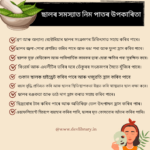
- Skin support: Pastes made from leaves are traditionally applied for minor skin issues, small blisters, or localized inflammation; some communities mix leaf paste with ingredients like date seeds or mustard.
- Hair care: Henna is widely used as a natural hair color and conditioner, and is traditionally believed to help with dandruff or hair fall.
- Headache relief: Applying cool leaf paste to the forehead is a common folk remedy for headaches and mental fatigue.
- Oral freshness: Chewing leaves is a traditional practice to reduce bad breath in some regions.
- Nail care: Applying paste around the nails is used traditionally for minor nail concerns.
- Eye wash (folk practice): Lukewarm leaf decoctions are sometimes used to wash eyes in folk medicine; this is not recommended without medical guidance due to infection/irritation risk.
- Body odour: Bathing with diluted leaf juice is used traditionally to reduce sweat odour.
- Sleep support (folk): Mixing a small amount of leaf juice with honey is cited anecdotally for insomnia.
- Metabolic & other folk uses: Various communities report internal use—e.g., for “blood purification,” jaundice, chest discomfort, nightmares, gum issues, urinary stones, epilepsy—but these claims lack robust clinical evidence and should not replace medical care.
*Again, these are traditional/folk applications and should be approached with caution.
Practical Preparations (Traditional Use)
- Henna Powder (ingested—folk use): Mix ½–1 tsp dried henna powder with ginger powder and honey; traditionally taken after meals. (Internal use should only be done under professional guidance.)
- Fresh Leaf Juice: Grind fresh leaves; dilute with 1–2 tsp water or mix with honey. Traditionally consumed twice daily in small amounts. (Medical supervision advised.)
- Leaf Paste (topical): Grind leaves with rose water to a thick paste. Apply to the forehead for 10–15 minutes; rinse well—used traditionally for headache/mental fatigue.
- Hair Mask: Mix 5–10 tsp leaf powder/paste with lukewarm water to form a poultice. Apply evenly to hair; rinse after 4–5 hours to condition and strengthen hair.
Safety & Side Effects
- Internal use caution: Use only properly prepared products under qualified medical guidance. Improper ingestion may cause stomach pain, muscle cramps, or other adverse effects.
- Allergic reactions: Topical henna can trigger allergic dermatitis, redness, or swelling in susceptible individuals. Patch-test before use.
- Pregnancy: Avoid ingesting henna during pregnancy unless advised by a healthcare professional.
- PPD warning: Natural henna (lawsonia) does not naturally contain high levels of p-phenylenediamine (PPD). However, some commercial “black henna” products are adulterated with PPD to produce a darker, faster stain—these can cause severe skin reactions, eye irritation, and asthma-like symptoms. Choose pure, reputable henna products and check labels carefully.
- Eyes & mucosa: Do not use henna preparations in the eyes, mouth, or on open wounds without medical advice.
Conclusion
Henna (Jetuka) stands as both a cultural emblem—especially during Bohag Bihu—and serves as a versatile botanical that people widely use for hair coloring, skin art, and traditional remedies. In fact, its phytochemicals, chiefly lawsone, provide the cosmetic value and support many folk applications. Moreover, today’s markets offer henna hair dyes, mehndi cones, and powders that remain highly popular. At the same time, health-conscious users must proceed carefully: therefore, they choose pure, non-adulterated products, perform patch tests for allergies, and consult professionals—particularly before internal use or when medical conditions exist. Consequently, when used wisely, henna continues to enrich cultural traditions and serves as a trusted element of personal care.
FAQs
1. What is henna and why is it called Jetuka in Assam?
Ans: Henna is the shrub Lawsonia inermis. In Assamese culture it’s called Jetuka and is closely associated with Bohag Bihu for palm and mehndi art.
2. Which part of the plant is used most?
Ans: Primarily the leaves—fresh, dried, or powdered—for mehndi, hair masks, and traditional remedies.
3. What gives henna its color?
Ans: A natural dye molecule called lawsone binds to keratin in skin and hair to create an orange-red stain.
4. Is henna safe for skin application?
Ans: Generally yes for pure henna. Always patch-test (inside wrist/behind ear for 24–48 hrs). Avoid broken skin.
5. What’s the difference between natural henna and “black henna”?
Ans: Natural henna stains orange-red to brown. “Black henna” is often adulterated with PPD (p-phenylenediamine) and can cause severe allergies. Avoid black henna.

Hi, I’m Dev Kirtonia, Founder & CEO of Dev Library. A website that provides all SCERT, NCERT 3 to 12, and BA, B.com, B.Sc, and Computer Science with Post Graduate Notes & Suggestions, Novel, eBooks, Biography, Quotes, Study Materials, and more.
Subject Ka Complete Video Solution Dekhein
Step-by-step easy concept explanation aur full questions Answer ke liye watch karein ya app download karein:



 Buy Now