
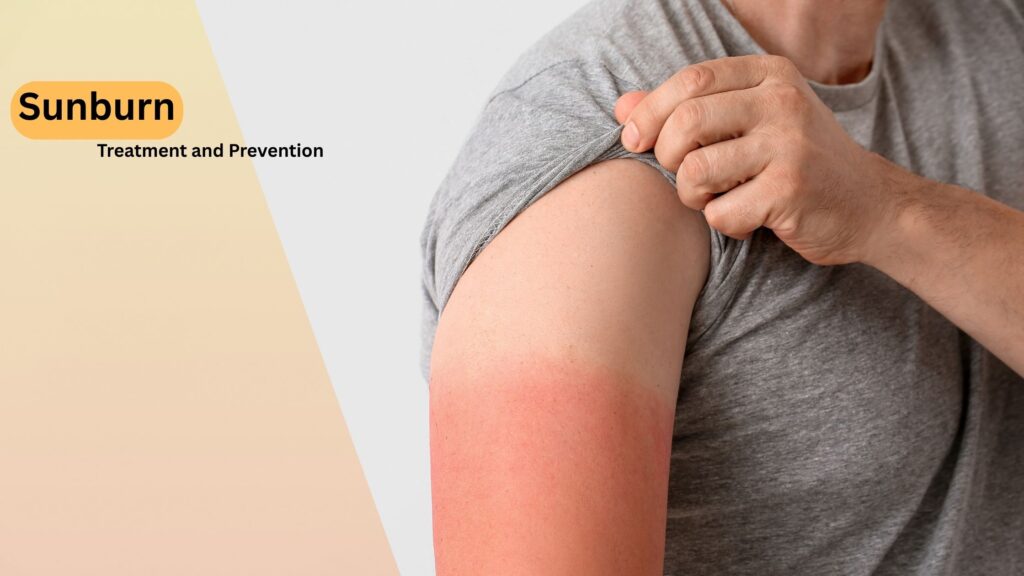
Excess ultraviolet (UV) exposure from the sun or artificial sources like tanning beds causes sunburn—a radiation burn of the skin. To begin with, the duration and intensity of UV exposure drive the greatest risk. Moreover, factors such as time of day, certain medications, ozone depletion, high altitude, clear skies, and skin type shape how quickly and severely sunburn develops. In particular, people with fair or very light skin burn more easily; furthermore, repeated sunburns raise the risk of skin cancer significantly. Consequently, when you understand the causes, prevention, and treatment of sunburn, you protect your skin, reduce premature aging, and improve overall skin health.
Causes of Sunburn
Sunburn occurs when skin receives more UV radiation than it can protect against. Common triggers include:
- Photosensitizing medications: Certain drugs make the skin more sensitive to sunlight, including doxycycline (a tetracycline), thiazide diuretics, sulfonamides, fluoroquinolones, NSAIDs, retinoids, and St. John’s wort.
- Intense UV exposure:
- Staying outdoors with bare skin between 10 a.m. and 4 p.m. (peak sun hours).
- Being under clear skies without sunscreen.
- Living at high altitude, where the atmosphere offers less UV protection.
- Staying near the equator, where UV intensity is higher.
- Ozone depletion: In areas where the ozone layer is thin, more UV rays penetrate the atmosphere, increasing the risk of burns.
- Skin phototype: Light skin (Fitzpatrick skin types I–II) burns more easily than darker skin.
- Tanning habits: Intentional sun tanning or using tanning beds damages skin, accelerates aging, and increases the risk of skin cancer.
Types of Sunburn
Sunburn is classified by how deeply it damages the skin:
- First-degree sunburn:
- Affects only the outer layer of skin.
- Causes redness and discomfort but heals within a few days to a week.
- Second-degree sunburn:
- Extends into the dermis (inner layer).
- Often forms blisters and may require weeks to heal.
- Third-degree sunburn (rare):
- Damages all layers of skin and underlying fat.
- May destroy nerve endings.
- Requires emergency medical treatment.
Symptoms of Sunburn
Sunburn signs usually appear within hours, but full severity may take a day or more to show. Common symptoms include:
- Pink or red skin tone
- Warmth or heat on touch
- Pain, tenderness, and swelling
- Small, fluid-filled blisters that may break
- Headache, fever, nausea, or fatigue (in severe burns)
- Painful or gritty feeling in the eyes
- Skin peeling and itching during healing
Treatment of Sunburn
Most mild sunburns heal on their own, but you can ease discomfort and speed recovery:
- Stay out of the sun until skin heals.
- Cool the skin with cold compresses or cool (not hot) baths.
- Use non-steroidal anti-inflammatory drugs (NSAIDs) to reduce pain and inflammation.
- Apply aloe vera gel or 1% hydrocortisone cream to calm redness and irritation.
- Drink plenty of water to prevent dehydration.
- For severe burns with large blisters or fluid loss, medical rehydration (e.g., parkland formula) may be required.
Home Remedies for Soothing Sunburn
- Cool bath with oatmeal: Add colloidal oatmeal to bath water to reduce itching and inflammation. Gently pat the skin dry—do not rub.
- Cold compress: Apply a clean cloth filled with ice cubes or cold water to reduce swelling. Always pat, never rub.
- Tea bags for eyes: Chilled green or black tea bags can help reduce swelling and soothe sunburned eyelids due to their tannins and antioxidants.
- Rash-relief powder: Powders containing aluminum acetate can ease itching.
- Moisturize regularly: After bathing, apply pure natural oils and a gentle moisturizer to keep skin hydrated.
- Aloe vera gel: Naturally cools, reduces redness, and speeds healing.
- Coconut oil (only on healing skin): Use after the skin has cooled and begun healing—never on fresh burns—to avoid trapping heat. Always do a patch test first.
- Soft cotton clothing: Wear loose, breathable clothes to prevent friction and irritation.
- Avoid harmful products: Do not use petroleum jelly, butter, benzocaine, or lidocaine, as they can trap heat and slow healing.
Complications of Sunburn
- Skin cancer risk: Repeated, blistering sunburns significantly increase the chance of melanoma and other skin cancers; therefore, you should prioritise strict sun protection and regular skin self-exams.
- Severe reactions: Extensive blistering, fluid loss, electrolyte imbalance, or signs of infection (pus, swelling, red streaks) warrant immediate medical care; moreover, if you have a history of severe sunburn, you should schedule annual dermatology skin checks.
Conclusion
Sunburn does more than cause temporary discomfort—it inflicts permanent UV damage on your skin. Consequently, when you learn prevention and treatment strategies, you protect your skin, reduce premature aging, and lower your cancer risk. If symptoms become severe—such as high fever, confusion, spreading blisters, or signs of infection—seek medical help promptly; in addition, follow up with a clinician for guidance on long-term skin protection.
FAQ
1. What are the symptoms of sunburn?
Ans: Sunburn symptoms often appear 4–6 hours after exposure, with redness and pain. Severe burns can cause swelling, blisters, fever, chills, nausea, headache, and fatigue. As skin heals, it may peel and itch.
2. Who should use sunscreen?
Ans: Everyone—regardless of age, gender, or skin tone—should use sunscreen to protect against skin cancer and premature aging.
3. Is higher SPF always better?
Ans: Dermatologists recommend SPF 30 or higher, which blocks about 97% of UVB rays. Higher SPF offers slightly more protection but does not last longer. Reapply sunscreen every 2–3 hours, even on cloudy days or after swimming/sweating.
4. When is sunburn dangerous?
Ans: Seek medical care if sunburn is severe, blistered, or widespread, or if you develop high fever, severe pain, dehydration, confusion, or signs of infection.
5. Is petroleum jelly (Vaseline) good for sunburn?
Ans: No. Petroleum jelly, butter, or creams containing benzocaine or lidocaine can trap heat and worsen irritation, delaying healing. Use aloe vera gel or hydrocortisone cream instead.

Hi, I’m Dev Kirtonia, Founder & CEO of Dev Library. A website that provides all SCERT, NCERT 3 to 12, and BA, B.com, B.Sc, and Computer Science with Post Graduate Notes & Suggestions, Novel, eBooks, Biography, Quotes, Study Materials, and more.
Subject Ka Complete Video Solution Dekhein
Step-by-step easy concept explanation aur full questions Answer ke liye watch karein ya app download karein:





 Buy Now